Work environment 2026.10.06 Bending forwards at work may be an overlooked risk for pregnant women Pregnant women who frequently bend forward at work could face an increased risk of miscarriage, according to a new study from the University of Copenhagen. The researchers believe that greater attention should be paid t…
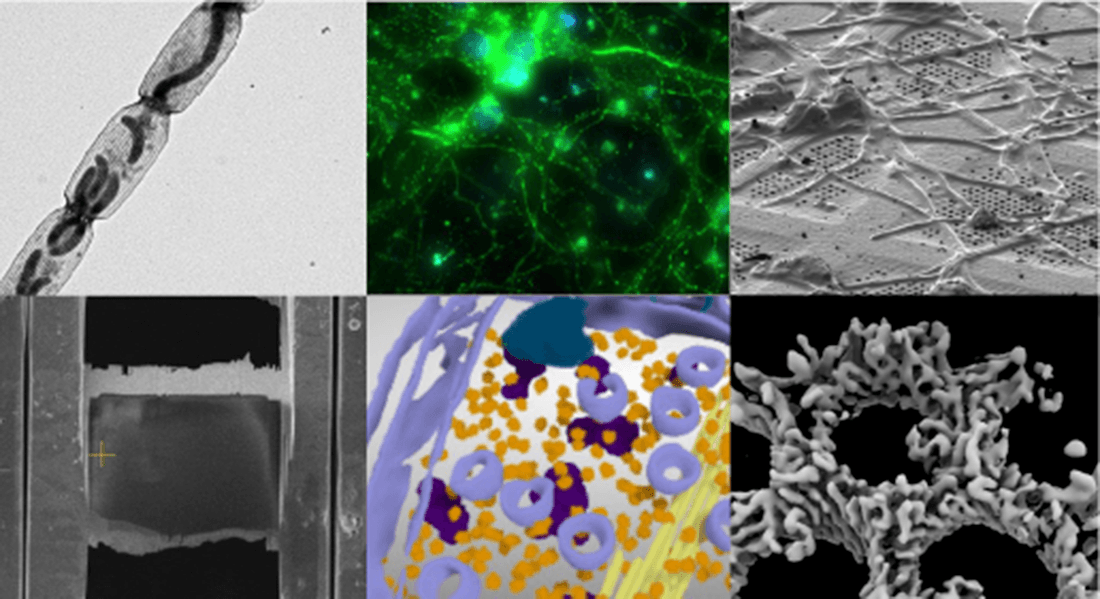
2026.10.05 Novo Nordisk Foundation funds new national cryoEM infrastructure The Novo Nordisk Foundation has awarded DKK 215 million to establish DANCEM (DAnish National CryoEM Infrastructure), enabling researchers to study biological processes inside cells in unprecedented detail.
HEALTH 2026.10.05 Children facing multiple adversities growing up are more likely to die at a younger age Study of 1.2 million Danes finds that children facing health-related, social and economic adversities are seven times more likely to die in early adulthood as their contemporaries.
SPACE 2026.09.30 New study rekindles contested question: Earth and Mars had different origins Surprising discovery suggests that Mars and Earth formed through different processes. The finding could help scientists understand whether planets in other galaxies are habitable.
Education 2026.09.29 Maria Kristiansen receives the prestigious European Innovative Teaching Award 2026 Professor Maria Kristiansen has received the award for the education and learning project “LOLit – Low Literacy at Play”, together with a group of researchers and civil society partners from Denmark, the Netherlands, an…
2026.09.24 Two New SUND Projects Explore AI in Education from Different Perspectives Two educational projects at the Faculty of Health and Medical Sciences have received approximately DKK 8 million from the Novo Nordisk Foundation's PREPARE initiative to investigate how artificial intelligence is shapin…
Brain development 2026.09.10 Newly discovered DNA protection mechanism linked to human brain development A new study in Cell shows how DDIAS protects DNA during cell division and is essential for normal brain development.
Cancer 2026.09.10 Researchers identify genetic clues that could reveal aggressive prostate cancer An international team of researchers has mapped eight genetic ‘fingerprints’ that may explain why some men develop aggressive prostate cancer while others do not. The findings could eventually lead to more personalised…
THE HEART 2026.08.07 Staying on diabetes medication is linked to fewer heart attacks and strokes Adults with type 2 diabetes that don't take their medicine consistently has a 27 percent higher rate of heart disease according to new study. The effect hit younger patients even harder.
MENTAL HEALTH 2026.07.28 Cancer patients are far more likely to develop mental disorder diagnoses People diagnosed with cancer face a much greater risk of developing a mental disorder later in life than those without cancer. During the first year after diagnosis, the risk of being hospitalized with a psychiatric…
BIODIVERSITY 2026.07.23 DNA vacuum reveals local wildlife in Danish nature Researchers have developed a DNA vacuum that can suck genetic traces from animals out of the air and reveal which animals live in an area. In two new studies, the researchers collect air samples in three natural areas i…
GRANT 2026.07.10 Researchers receive Novo Nordisk Foundation Challenge Grant to screen for appetite-regulating targets in stem cell models A research project based at the Department of Biomedical Sciences receives a grant of 75 million DKK over 6 years from the Novo Nordisk Foundation
Mental health 2026.07.09 Young people from less advantaged backgrounds are more likely to have an undiagnosed eating disorder A new study from the University of Copenhagen suggests that eating disorders are not necessarily more common among families with a high level of education – but that young people from these families are more likely to b…
Physical activity 2026.07.08 After weight loss, exercise improves cardiovascular health more than weight-loss medication People with severe obesity who exercise regularly have healthier blood vessels and lower inflammation than those who rely on medication alone, a new study from the University of Copenhagen shows.
HEALTH 2026.07.03 Language barriers and culture clash: Frustrations among Ukrainian refugees with the Danish healthcare system Several Ukrainian refugees have sought alternative medical care and received medication from their home country despite getting rapid access to the Danish healthcare system. There is a risk that frustrated patients fall…
Mental health 2026.07.01 ADHD and autism diagnoses have increased: New study points to broader diagnoses as an explanation Far more people are being diagnosed with ADHD and autism today than in the past, and a new study from the University of Copenhagen shows that the genetic contributions have decreased over the past 20 years.
ANCIENT DNA 2026.06.17 Oldest strains of plague caused deadly outbreaks 5,500 years ago A new study published in Nature reconstructs the earliest known plague genomes and for the first time shows that early forms of plague caused deadly outbreaks – long before the Black Death killed up to half the…
Awards ceremony 2026.06.10 Awards for pioneering preclinical and clinical research For the 20th time, the Kirsten and Freddy Johansen Foundation is awarding prizes to researchers at the Faculty of Health and Medical Sciences. This year’s recipients are Professor Ruth Loos and Clinical Professor…
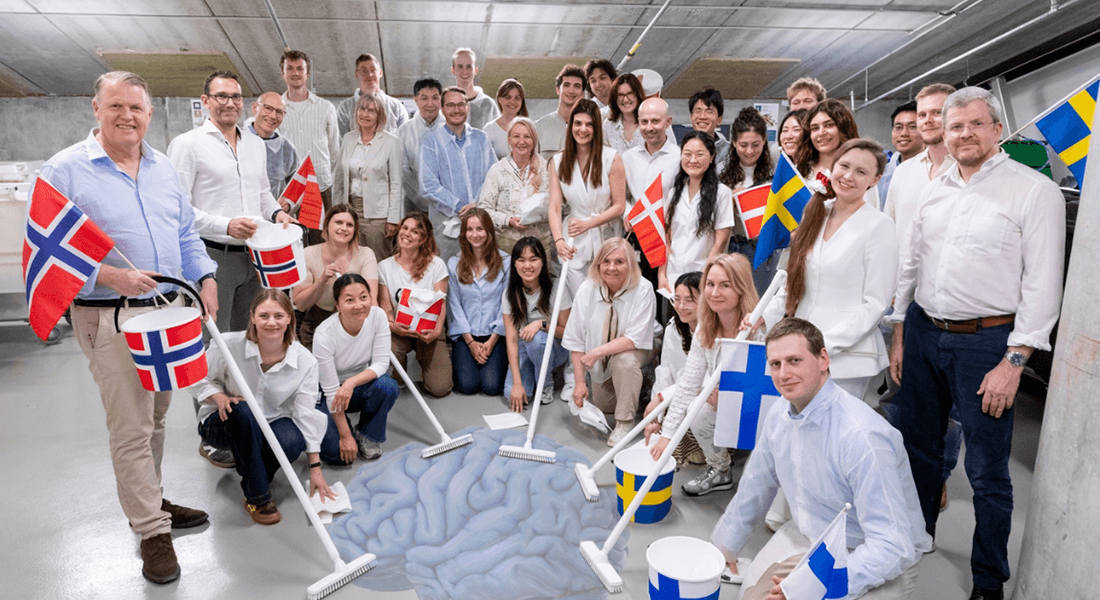
Grant 2026.06.09 Nordic center to advance research on the brain’s cleansing system With a grant of DKK 78 million from the Lundbeck Foundation, a new joint Nordic center is being established to strengthen research into the glymphatic system. The aim is both improved diagnostics and new approaches to…
PUBLIC HEALTH 2026.05.21 Why are young people’s sleep and mental health so poor? Researchers point to ‘vicious cycles’ as possible explanation A new study from the University of Copenhagen maps a complex network of factors that may trap young adults in poor sleep patterns and mental distress.
BRAIN RESEARCH 2026.05.18 ‘Garbage collectors’ of the brain grind to a halt in fatal disease Surprising results point to an exhausted immune system in the brain as a potential explanation for aggressive brain disease